Direct Cremations – What are they and why choose one.
Direct Cremations: A Simple, Modern Alternative to Traditional Funerals
Direct cremation has become increasingly popular across the UK in recent years.
Unlike a traditional funeral service, a direct cremation takes place without mourners present and usually without a formal ceremony at the crematorium. The process is simple, dignified and handled by a funeral provider on behalf of the family.
While once relatively uncommon, many families now choose direct cremation because it is straightforward, more affordable and allows them to plan a separate, personalised farewell at a later date.
However, it is also a decision that requires careful thought, as the absence of a formal funeral service can affect how family members process grief.
This article explores what direct cremation involves, why more people are choosing it, the pros and cons, and ways to support emotional wellbeing and meaningful remembrance.
What Is a Direct Cremation?
A direct cremation is a cremation that takes place without a funeral service at the crematorium and without family or friends in attendance.
The deceased is collected, cared for, and cremated in a respectful and dignified way, but the cremation itself is not witnessed.
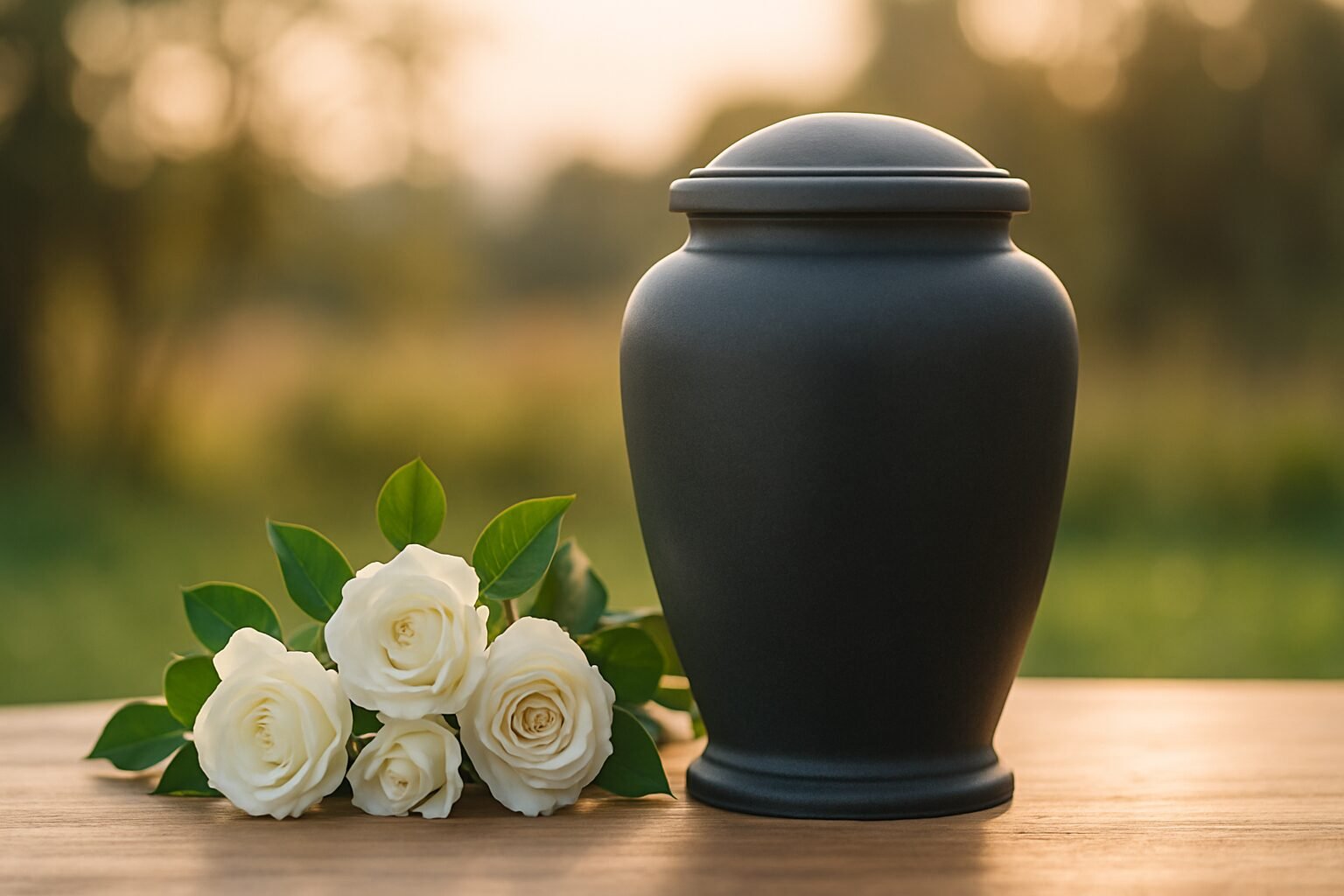
After the cremation, the ashes are returned to the family, or they can choose a place for them to be scattered.
Why Are Direct Cremations Becoming So Popular?
Direct cremations have gained recognition partly due to rising costs associated with traditional funerals. However, cost alone does not explain the shift. There are also cultural and emotional reasons behind the growing preference, including:
- A desire for simplicity and minimal fuss
- Respecting the wishes of someone who preferred no formal ceremony
- The flexibility to plan a memorial later when people can travel
- A preference for intimate, private remembrance
- Avoiding large gatherings at emotional times
For some families, separating the cremation from the memorial allows them time to grieve, organise, and make arrangements that feel meaningful rather than rushed.
The Benefits of a Direct Cremation
✔ More affordable than traditional funerals
Direct cremation is usually one of the most cost-effective choices, making it accessible for more families.
✔ Flexibility for families
Instead of arranging a funeral quickly, families can plan a memorial, celebration of life, gathering or wake at a later date.
✔ Simple and fuss-free
Some people find comfort in a quiet, straightforward farewell without ceremony.
✔ Personalisation occurs on your own terms
Rather than a standardised format, families can design something unique — whether a private scattering ceremony, a gathering in a favourite location or a creative celebration of life.
Possible Drawbacks of a Direct Cremation
✖ Lack of communal goodbye
Because no one attends the cremation, some people may feel they missed the opportunity to pay final respects.
✖ Unresolved or delayed grief
Grief can sometimes feel suspended when there is no ceremony or moment of collective acknowledgement.
✖ May feel impersonal for some families
Those who find comfort in traditional rituals, readings, music or gathered support may feel something is missing.
✖ Risk of regret if decided quickly
If chosen under pressure, some families later realise they wished they had included a gathering or farewell.
Emotional Considerations: Grief Without a Traditional Ceremony
A funeral often provides a psychological marker — a moment where loved ones gather, acknowledge loss and begin processing grief together. Without that shared experience, some people may:
- Feel the loss hasn’t fully “happened”
- Struggle to talk openly about their emotions
- Experience guilt for not being present
- Find grief resurfacing unexpectedly later
This doesn’t mean a direct cremation is the wrong choice — only that emotional needs should be part of the decision.
Ways to Support Grief When Choosing a Direct Cremation
Even though the cremation itself is unattended, families can create meaningful rituals in other ways. Some helpful approaches include:
🌿 Hold a memorial or celebration of life
This can take place days, weeks or even months later — giving people time to gather, travel and plan something thoughtful.
🌿 Arrange a private or family-only remembrance
A small ceremony at home, by a favourite view, or in a peaceful garden can offer comfort.
🌿 Create a tribute space
A memory table, photographs, candles or memory book can help acknowledge the person’s life.
🌿 Include symbolic gestures
Examples include releasing flowers into water, planting a tree, reading a favourite poem or playing meaningful music.
🌿 Share stories and memories
Talking about the person, either during a gathering or through written tributes, can help keep their memory alive and support healing.
When Is a Direct Cremation a Good Option?
Direct cremation may be particularly suitable when:
- The person expressed this wish during life
- Families prefer a private or informal farewell
- Relatives live far away or need time to travel
- Simplicity and calm are valued over ceremony
- A larger celebration is planned later at a meaningful venue
Ultimately, the decision should reflect the wishes, personality and values of the person who has died — as well as the needs of the people grieving.
Final Thoughts
Direct cremation offers a simple, dignified and flexible alternative to traditional funerals.
For many families, it feels more personal, practical and fitting than a formal service. However, it is still important to think about how to acknowledge loss and support emotional healing.
Whether through a quiet family gathering, a celebration of life or a memorial event at a later date, creating space to honour and remember the person remains vital.
Every life deserves recognition, and every grieving family deserves the time and space to remember, reflect and begin healing — in whatever way feels right for them.
Frequently Asked Questions About Direct Cremation
A direct cremation is a cremation that takes place without a funeral service and without family or friends attending. The cremation happens respectfully, and the ashes are returned to the family or scattered according to their wishes.
Direct cremations are growing in popularity because they are more affordable, simpler to arrange and allow families the flexibility to hold a memorial or celebration of life at a later date. Many people also prefer a less formal approach.
Yes. Even though there is no ceremony at the crematorium, the person who has died is still treated with dignity and care throughout the process.
Absolutely. Many families choose to hold a separate gathering, wake or celebration of life after the cremation. This can be more personal and meaningful, especially if it is held in a location that mattered to the person who has died.
In most cases, yes. Direct cremations do not require funeral cars, large floral tributes or service arrangements, which makes them one of the most cost-effective options.
For some people, not being present at a service may delay emotional processing. However, planning a later memorial, lighting candles, sharing stories or creating a tribute space can help support healthy grieving.
Not during the cremation itself, but families can still use meaningful music and readings at later remembrance events, memorials or celebrations of life.
No. Families may choose to have ashes scattered at the crematorium, or they can collect them to keep, scatter elsewhere or place in a memorial plot.