What Is a Celebrant?
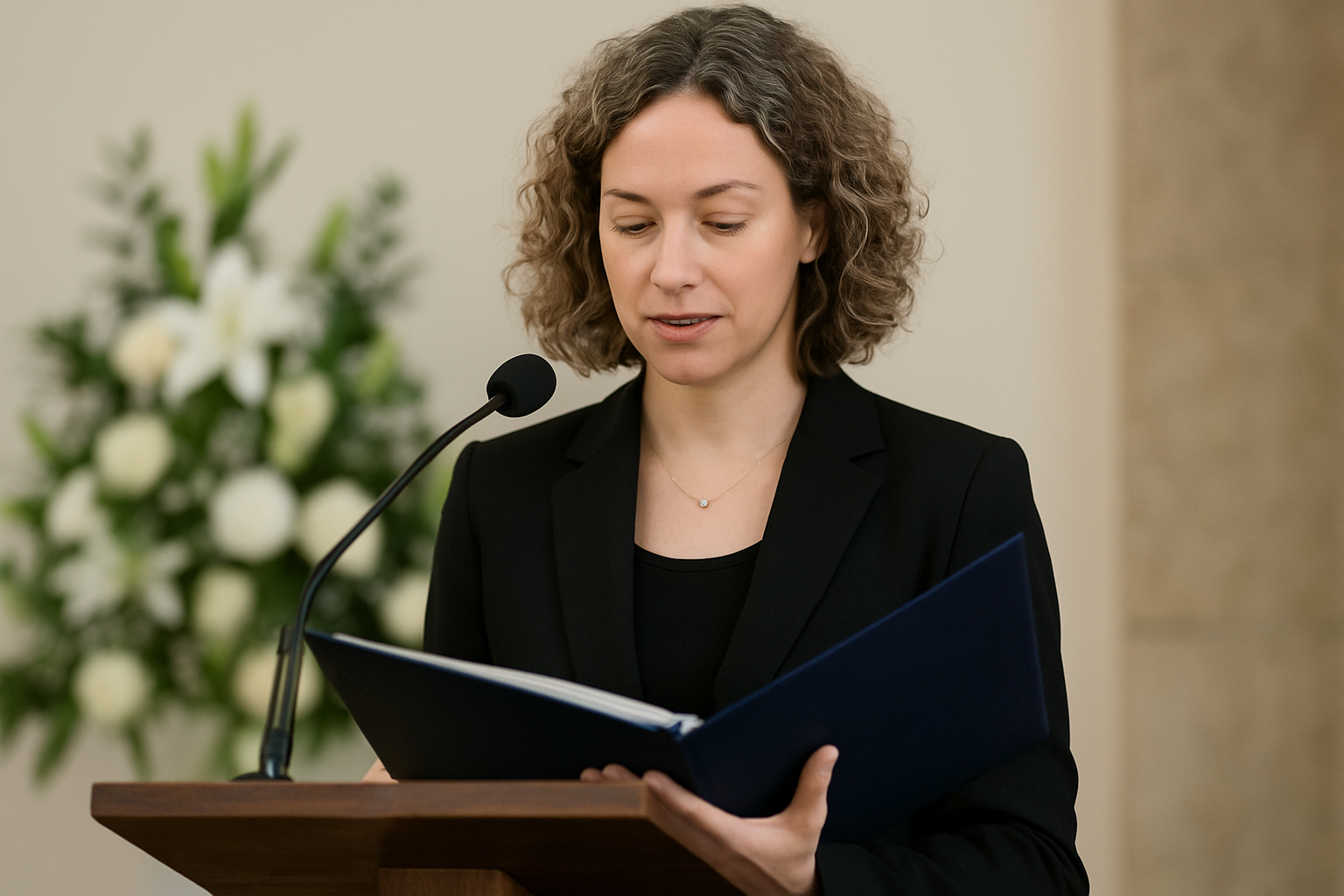
A celebrant is a trained professional who creates and delivers personalised ceremonies.
In the UK, celebrants are best known for conducting funeral services at cremations and burials. But they also lead weddings, naming ceremonies and other milestone events.
Their work focuses on honouring people’s beliefs, values and stories without requiring any religious content. This flexibility makes celebrants increasingly popular for families who want a unique and meaningful ceremony.
What Does a Celebrant Do?
Creating Personal, Tailored Ceremonies
A celebrant’s main role is to design a ceremony that reflects the individual or family they are supporting.
Instead of following a fixed script or religious format, celebrants take the time to understand personal stories, preferences and cultural backgrounds.
This approach allows them to lead a service that feels genuine, heartfelt and memorable.
Offering Guidance With Sensitivity
Celebrants guide families through difficult or emotional decisions, especially when planning a funeral.
They provide support, reassurance and structure at a time when many people feel overwhelmed.
Celebrants also liaise with funeral directors, venues and other professionals to ensure the ceremony runs smoothly.
Funeral Celebrants: Their Role and Responsibilities
Writing and Leading the Funeral Service
Funeral celebrants write the full script for the service, including:
- Introductions and welcome
- Tributes and eulogies
- Personal stories
- Reflections
- Readings, poems or music choices
- Closing words
Because the service is customised, families can choose how formal, spiritual or light-hearted they want it to be.
Supporting Families Throughout the Process
A funeral celebrant will:
- Meet with the family to learn about the person who has died
- Suggest suitable readings, poems, songs or symbolic gestures
- Prepare a detailed order of service
- Deliver the ceremony at the crematorium, burial ground or chosen venue
- Provide a printed or digital copy of the script afterwards
Their focus remains on compassion and clarity at every stage.
Ideal for Non-Religious or Mixed-Belief Families
Celebrants are a popular choice for families who prefer:
- A personalised service
- A non-religious or secular ceremony
- A blend of spiritual and personal elements
- A gentle tone without traditional religious wording
This flexibility allows each funeral to feel distinctive and authentic.
Other Types of Ceremonies Led by Celebrants
Although funerals form a major part of their work, celebrants perform a range of other ceremonies.
Wedding Celebrants
Wedding celebrants create personalised ceremonies that reflect the couple’s story, values and style. They are not restricted by registry office scripts, giving couples far more freedom.
Naming and Welcome Ceremonies
Some families choose a celebrant-led naming ceremony as an alternative to a christening. These events welcome a new child into the family with readings, promises and symbolic gestures.
Renewal of Vows
Celebrants also lead vow renewal ceremonies for couples celebrating anniversaries or personal milestones.
Other Bespoke Ceremonies
Celebrants may conduct:
- Adoption welcome ceremonies
- Milestone birthday ceremonies
- Commitment ceremonies
- Divorce or separation healing ceremonies
Their role always centres on creating meaningful moments that reflect personal stories.
You can learn more about Celebrants here.
Why Choose a Celebrant?
Flexibility and Personalisation
A celebrant-led ceremony does not follow strict rules. This allows families to include music, humour, memories or cultural traditions that feel right for them.
Inclusive of All Beliefs and Backgrounds
Celebrants welcome people of all faiths, mixed-faith families and those with no religious beliefs. This inclusivity helps create ceremonies that honour everyone present.
A Professional, Calm Presence
Because celebrants are highly trained in communication and ceremony management, they bring calm, professionalism and structure to emotional events.
FAQs About Celebrants
A celebrant is a trained professional who creates and leads personalised ceremonies, including funerals, weddings and naming ceremonies.
A funeral celebrant meets with the family, prepares a personalised script, helps structure the ceremony and leads the service at a crematorium, cemetery or chosen venue.
Most celebrants are non-religious, although some offer spiritual or semi-religious wording if requested. They focus on personal stories rather than faith-based traditions.
Yes. Celebrants regularly lead both cremation and burial services, including graveside or chapel ceremonies.
Yes. Wedding celebrants create personalised ceremonies but do not legally register the marriage. The legal part must take place at a registry office.
Costs vary, but funeral celebrants in the UK commonly charge between £250 and £350. Wedding celebrant fees are usually higher because the ceremonies are longer and more detailed.
Most celebrants offer in-person, phone or video meetings to suit the family’s preferences.
Yes, if you request it. Celebrants can include hymns, prayers or readings while still keeping the ceremony personal and inclusive.